I worked at the Inn when I was in college (15 years ago) and it is still to this day one of my favorite jobs I've ever had. I was excited to bring my family there for dinner last night. We had our 2 year old and 1 year old with us, and I was a little nervous about having them at a fancy place. The staff couldn't have been nicer. Our server, Gabe, knew it would be helpful to bring our kids meals out quickly to keep them happy. He was very kind, knowledgeable about the food, and seemed to have a passion for what he was doing. Later in the meal, my 1 year old caught the attention of another server (she may have been the dining room manager, I did not catch her name) so she came over to our table to table compliment our kids. My 2 year old told her she wanted raspberries for dessert and she brought out a huge bowl of them for her. She also told my daughter she could take the flowers home that were on the table. At the end of the meal, my daughter, who loves ballet, was starting to get a bit antsy so I told her she could get out of her high chair and dance as long as she stood by our table. A couple next to us got up and started dancing with my daughter. By the time we left, the whole dining room knew my daughter's name and were handing her flowers off their tables. On our way out the door, the server who brought us the raspberries told us how much she loved our kids. It was truly a great experience and probably became a core memory for me and my husband. Thank you to the staff (and patrons!) for such a wonderful night (and my daughter Francesca thanks you, too). We live over an hour away, but we will be sure to make this an annual tradition now.
Overview
Walking up the hill toward Shelburne Farms Inn feels less like arriving at a restaurant and more like stepping into a living postcard of Vermont. I’ve eaten here after long walks through the surrounding meadows, and the setting alone slows you down in the best way. The inn sits at 1611 Harbor Rd, Shelburne, VT 05482, United States, overlooking Lake Champlain, and that view quietly sets expectations before you even glance at the menu.
What makes this place special isn’t just the scenery; it’s the way food, land, and people are connected. The dining room sources much of its produce, dairy, and meat directly from the surrounding farm. That isn’t marketing fluff. I once spoke with a server who explained how the kitchen plans menus around what’s harvested that week. If the carrots are sweet and plentiful, they shine. If the apple crop is small, you’ll notice fewer desserts featuring them. This process mirrors the true farm-to-table model, a concept backed by research from the USDA showing that local sourcing can reduce food miles by up to 90 percent compared to conventional supply chains.
The menu changes often, which keeps repeat visits interesting. On one visit, I ordered lamb raised on the property, cooked gently so the flavor stood on its own. Another time, a simple plate of seasonal vegetables stole the show, finished with farm-made butter and herbs picked that morning. The chefs here treat ingredients with respect rather than masking them. That approach aligns with guidance from organizations like the James Beard Foundation, which consistently highlights ingredient-driven cooking as a marker of culinary excellence.
Reviews often mention how calm the dining experience feels, and that matches my experience. There’s no rush to turn tables, and the staff seems genuinely invested in explaining dishes rather than reciting them. When I asked about the cheese selection, the server explained the aging process and pointed out which cheeses were made from raw milk, a practice supported by long-standing dairy traditions in Vermont. According to the Vermont Agency of Agriculture, dairy contributes over $2 billion annually to the state’s economy, and tasting that heritage on a plate makes the statistic feel personal.
The inn’s kitchen also leans into heritage breeds and traditional methods, which matters more than it might sound. Studies published by agricultural universities have shown that heritage livestock often develop deeper flavor due to slower growth rates. You can taste that difference here, especially in dishes built around beef or pork. Still, it’s fair to say that portions are refined rather than oversized. If you’re expecting diner-style plates, this may not align with your expectations, and that’s worth knowing ahead of time.
Beyond dinner, breakfast at the inn deserves attention. Freshly baked bread, eggs collected nearby, and yogurt made from the farm’s own milk create a meal that feels both indulgent and grounding. I’ve noticed guests lingering longer over breakfast than usual, swapping hiking plans and restaurant recommendations, which says a lot about the atmosphere.
There are limitations, of course. Because the menu relies on seasonal availability, picky eaters may find fewer options on certain days. Pricing reflects the quality and sourcing, so it’s not an everyday stop for everyone. Still, transparency around ingredients and methods builds trust, and the kitchen is open about where food comes from and why choices are made.
Dining here feels like participating in a larger story about land stewardship, local food systems, and thoughtful cooking. It’s the kind of place where the meal stays with you, not just because it tasted good, but because you understood where it came from and who helped bring it to the table.
Good to know
Service options
✓ Outdoor seating ✓ Dine-in ✓ DeliveryHighlights
✓ Fireplace ✓ Great beer selection ✓ Great cocktails ✓ Great coffee ✓ Great dessert ✓ Great wine list ✓ Serves local specialtyPopular for
✓ Breakfast ✓ Dinner ✓ Solo diningAccessibility
✓ Wheelchair-accessible car park ✓ Wheelchair-accessible entrance ✓ Wheelchair-accessible seating ✓ Wheelchair-accessible toiletOfferings
✓ Alcohol ✓ Beer ✓ Cocktails ✓ Coffee ✓ Comfort food ✓ Healthy options ✓ Small plates ✓ Spirits ✓ Vegetarian options ✓ WineDining options
✓ Breakfast ✓ Brunch ✓ Dinner ✓ Dessert ✓ Seating ✓ Table serviceAtmosphere
✓ Cosy ✓ Historic ✓ Quiet ✓ Romantic ✓ Trendy ✓ UpmarketCrowd
✓ Groups ✓ TouristsPlanning
✓ Brunch reservations recommended ✓ Reservations required ✓ Dinner reservations recommended ✓ Accepts reservationsPayments
✓ Credit cards ✓ Debit cardsChildren
✓ Good for kids ✓ High chairsParking
✓ Free of charge street parking ✓ Free parking lotPhotos
Location
Reviews
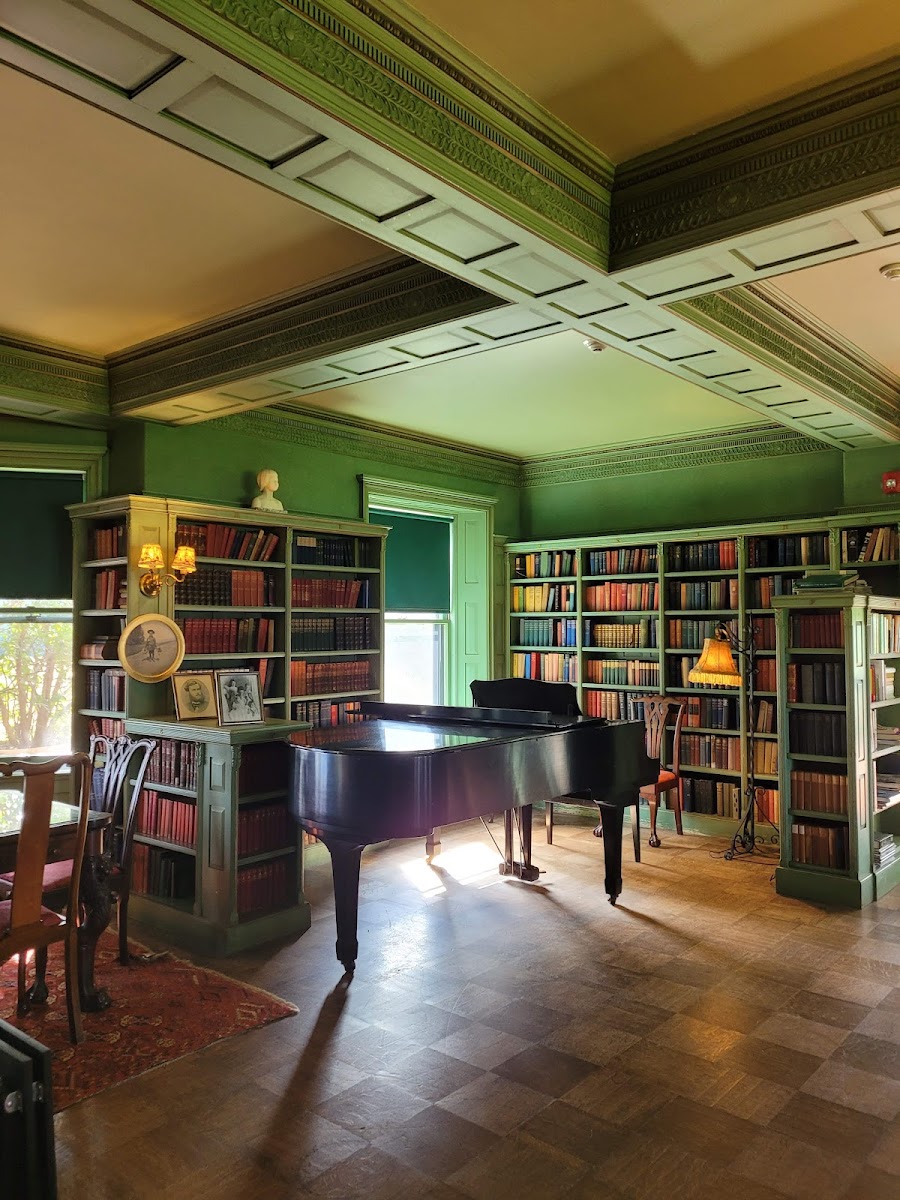
Here's a reworded version for a glorious stay: My husband and I had the pleasure of staying in the Rose Room, which offered stunning views of Lake Champlain. The scenery was absolutely breathtaking, and despite the lack of air-conditioning, the provided fan and open windows made the room quite comfortable. The service was impeccable, and every meal we enjoyed was delicious and thoughtfully prepared. We felt at ease as we relaxed on the property and wandered along the charming mini trails, discovering new delights at every turn. It was truly remarkable to be in this magnificent mansion, built during the Gilded Age, and to sit on the same couch once graced by the Webb & Vanderbilt family. The attention to detail in its preservation was exceptional. We spent three wonderful days there, and if given the chance, I could easily have stayed for another week, but alas, it's back to work. I highly recommend this as a fantastic retreat for families or couples, especially with the Shelburne Museum just down the road—it perfectly complements the entire experience!
What a treat to stay the Inn at Shelburne Farms—an 1886 historic country home, built by Dr. William Webb and Eliza Vanderbilt. Thanks to the brilliance of Frederick Law Olmstead, the estate is situated with stunning views of Lake Champlain and the Adirondack mountains. The formal gardens were perfect for a sunset stroll along the bluff. Despite an unseasonably hot summer, many perennials were in bloom, including an impressive row of hydrangeas, colorful sage, lambs ear, cone flower, hollyhocks, dahlias and countess more. The 1,400-acre estate includes a working farm with 107 Brown Swiss cows. We tagged along on the Cheese tour to learn that these beauty’s produce 5,500 lbs of milk a day, to make approximately 550lbs of the finest Vermont cheddar cheese. Of course I ordered a side of sharp cheddar with breakfast.